How coffee helps lower the risk of diabetes
health

How coffee helps lower the risk of diabetes

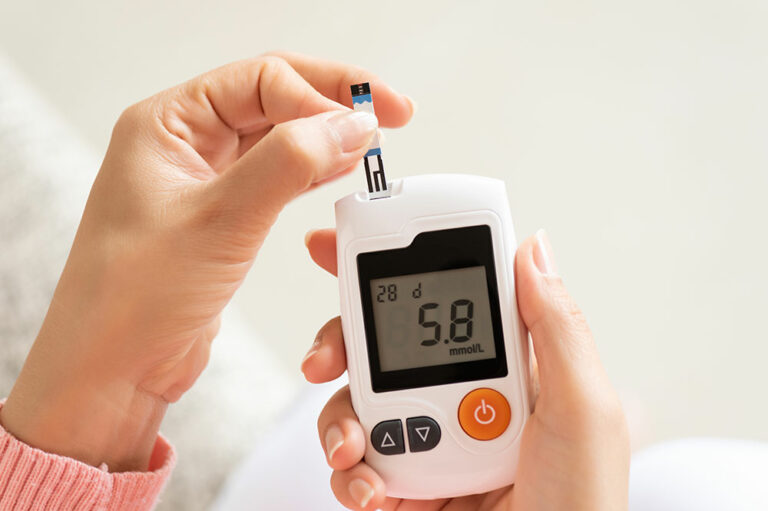
Foods and beverages directly affect a person’s blood glucose levels. So, people with diabetes should carefully evaluate their food habits and choices and exercise caution before incorporating anything new into their meal plans. Many people start their day with a cup of coffee. While more research is required to know for sure, some studies suggest that the beverage may reduce the risk of type 2 diabetes if had in moderation. Polyphenols in coffee may lower type 2 diabetes risk Caffeine and polyphenols are two of the many compounds in coffee that positively affect the body. Polyphenols have antioxidant properties that aid in treating various illnesses, including type 2 diabetes, heart problems, and cancer. Moreover, diabetes increases the risk of a heart attack or stroke. Since antioxidants like polyphenols benefit heart health, they can help mitigate this risk. Magnesium in coffee may reduce the condition’s occurrence Coffee also contains magnesium and chromium. A higher magnesium intake has been linked to a lower incidence of type 2 diabetes. However, coffee has a lower concentration of these ingredients than other foods. Hence, individuals must not rely entirely on this beverage as a source of magnesium and chromium. 3 to 4 cups daily may lower one’s risk A particular study found that people who increased their daily coffee intake by more than one cup over four years had an 11% lower risk of type 2 diabetes than those who did not.
8 high-risk public places for respiratory viruses
health

8 high-risk public places for respiratory viruses

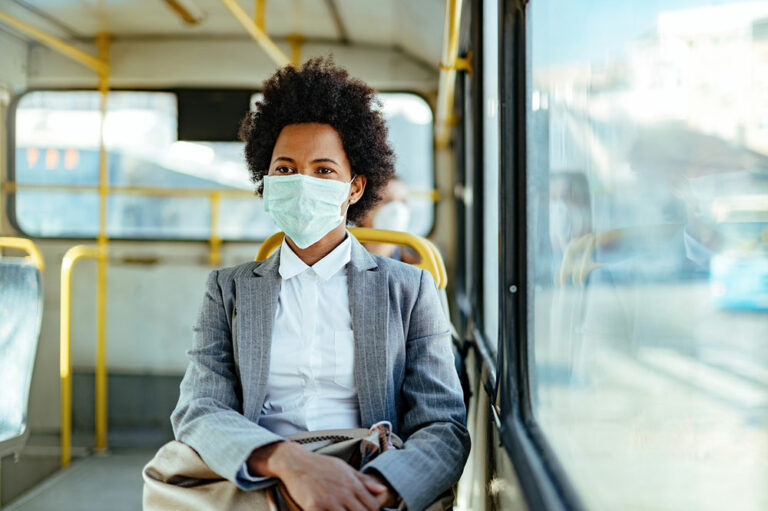
Respiratory viruses, including the common cold, influenza, and especially the recent pandemic, have had the potential to spread rapidly in various environments. Understanding where these viruses are most likely to thrive can help individuals take proactive measures to protect themselves and others. Here are the eight common places most likely to breed respiratory viruses, and some tips on minimizing exposure to them and lowering the risk of infection are given. Public transportation Public transportation, such as buses, subways, and trains, can be breeding grounds for respiratory viruses. Crowded spaces, limited ventilation, and proximity to potentially infected individuals create an ideal environment for virus transmission. To stay safe, one is advised to wear a mask, maintain physical distance when possible, and use hand sanitizers. Healthcare facilities Hospitals, clinics, and doctor’s offices are essential for medical care but can harbor respiratory viruses. Visitors and patients should follow hygiene guidelines, including frequent handwashing and following isolation and quarantine protocols to reduce the risk of spreading the virus. Offices and workplaces Workplaces, where employees often spend long hours near each other, can facilitate the spread of respiratory viruses. Employers should promote remote work, enforce mask mandates, improve ventilation, and encourage sick employees to stay home to reduce outbreak risks.

Popular Reads